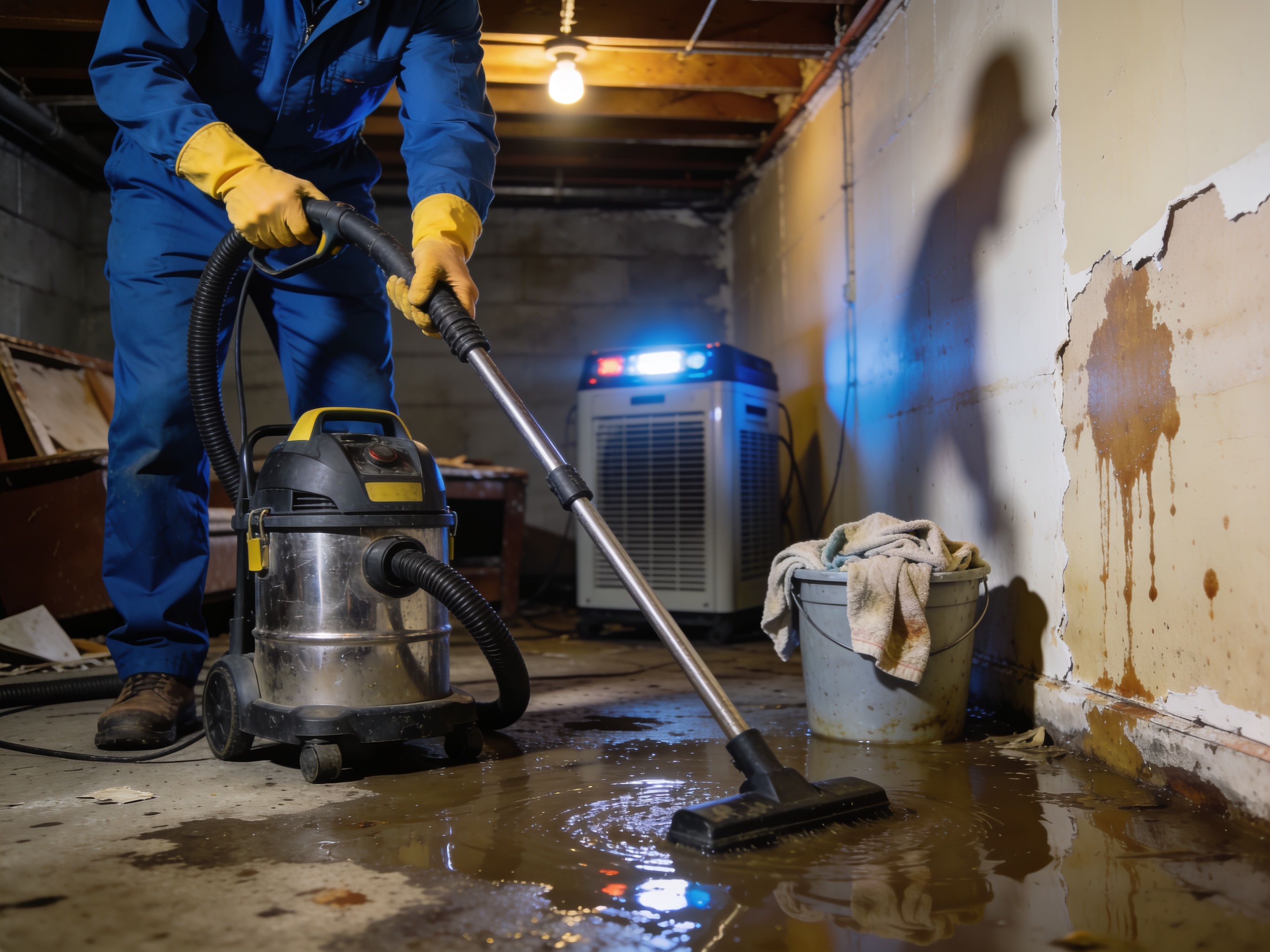
Columbus sits in a humid continental climate where winter freezes often burst pipes in older brick homes found throughout German Village and Victorian Village. Water travels quickly through plaster and lath walls common in these 19th-century structures, soaking insulation and subfloors before homeowners notice. Technicians must remove baseboards carefully to avoid cracking original trim while setting up air movers that account for the tight floor plans typical in these neighborhoods.
In summer, heavy thunderstorms dump water faster than Franklin County storm drains handle in low-lying spots like parts of Franklinton and the Hilltop. Finished basements in Clintonville and Grandview Heights frequently see seepage through limestone foundations, leading to hidden mold growth behind drywall. Proper drying requires moisture meters on both sides of walls and dehumidifiers sized for the square footage rather than one-size-fits-all equipment.
Nearby cities like Cleveland and Cincinnati share similar freeze-thaw cycles, but Columbus jobs often involve older cast-iron drains that crack under pressure from shifting clay soils. Extraction crews must trace leaks to the main line in alleys behind Bexley and Olde Towne East properties to prevent repeat flooding. Every project includes documenting hidden damage in joist pockets that standard visual checks miss.
Technician insight
In Columbus the thing that catches most people out with Emergency Water Damage Restoration is how fast water travels behind plaster in German Village row homes during a January freeze. The clay soil here holds moisture longer than people expect, so we often find wet joists two weeks after the initial leak if we do not open the cavities right away.
Frozen Pipe in Short North Row Home
A burst pipe on the second floor sent water down interior walls during a cold snap. We found saturated plaster extending into the first-floor ceiling and subfloor. Extraction and targeted drying of the cavities prevented mold while preserving the original trim.
Emergency Water Damage Restoration Services We Offer
✓Burst Pipe Water Extraction
Rapid removal of standing water from frozen or corroded pipes common in pre-1950 homes across German Village and Victorian Village.
✓Storm Flood Cleanup
Pumping and drying after heavy summer rains that overwhelm drains in Franklinton and the Hilltop.
✓Basement Seepage Drying
Targeted drying of limestone foundation leaks in Clintonville and Grandview Heights finished basements.
✓Appliance Leak Restoration
Cleanup from washing machine or water heater failures that soak subfloors in Bexley and Short North properties.
✓Ceiling and Wall Cavity Drying
Moisture removal from plaster and lath cavities after roof or pipe leaks in older Franklin County homes.
Emergency Water Damage Restoration Cost in Columbus, OH
| Service | Typical Range | What Affects It |
|---|---|---|
| Category 1 clean water extraction | $800–$1,800 | Increases with multiple rooms or finished basement access. |
| Category 2 gray water cleanup | $1,200–$2,500 | Higher when contaminated drywall must be cut out. |
| Drying equipment rental per day | $150–$350 | Depends on number of air movers and dehumidifiers needed. |
| Moisture mapping and monitoring | $200–$450 | Covers multiple visits until dry standards are met. |
Ranges are typical for Columbus, OH and confirmed with an exact written quote before any work starts.
How it works
- 1
Arrival And Assessment
Technician arrives within hours, locates the source, and maps moisture in walls and floors using meters.
- 2
Water Extraction
Pumps and wands remove standing water from affected rooms while protecting original trim and floors.
- 3
Drying And Monitoring
Air movers and dehumidifiers run while daily moisture readings track progress in hidden cavities.
- 4
Final Verification
Equipment removal only after readings match dry standards and surfaces are ready for repairs.
Pricing
Pricing varies by water volume, affected square footage, and how many wall or floor cavities require opening.