2026-11-06 · Robert Kline
How to Prevent Burst Pipes in Columbus Homes During Winter
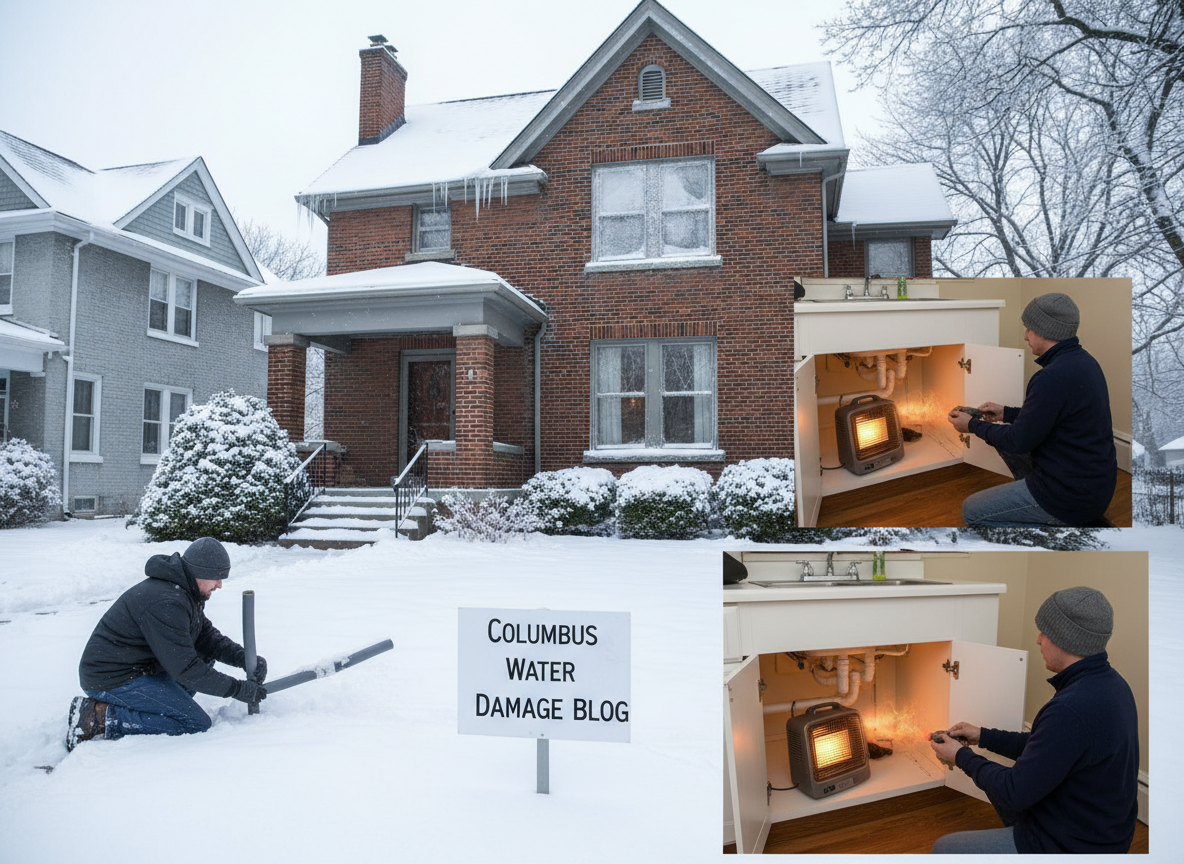
To prevent burst pipes in Columbus homes during winter, insulate exposed lines, maintain indoor temperatures above 55°F even when away, and let faucets drip slowly when forecasts drop below 20°F. Franklin County’s humid continental climate brings repeated freeze-thaw cycles that stress older copper and galvanized lines common in neighborhoods like Victorian Village, Bexley, and Clintonville. Many homes built before 1960 have pipes running through unheated crawl spaces or exterior walls that lose heat quickly once snow piles against foundations. Homeowners near the Ohio Statehouse or in Grandview Heights face the same risks because narrow lots and shared walls still leave supply lines vulnerable to wind-driven cold.
Understanding Local Winter Conditions and Pipe Risks
Columbus experiences cold winters that often push nighttime lows into the teens for days at a time, especially from late December through February. These prolonged freezes penetrate attics and exterior walls faster than in milder cities like Cincinnati or Dayton. Homes in Olde Towne East and Franklinton frequently retain original plumbing routed along north-facing walls that receive little sun, so heat loss accelerates. Soil around Hilltop and Linden properties holds moisture from summer rains, which then freezes and expands against shallow foundation lines. When daytime highs reach the 30s and nights plunge again, the repeated expansion and contraction weakens joints until water finds an exit. Checking weather forecasts from local stations rather than national averages helps time preventive steps before the next arctic front arrives.
Insulating Pipes in Columbus Housing Stock
Start by locating pipes in basements, crawl spaces, and garages of homes in areas such as Clintonville and Worthington. Wrap vulnerable runs with foam pipe insulation at least ½-inch thick, paying extra attention to sections within 3 feet of exterior doors or vents. In pre-1950 homes common to German Village, add heat tape rated for 120V on the coldest lines and plug it into a GFCI outlet. Seal gaps around sill plates with expanding foam to reduce drafts that drop temperatures below freezing inside walls. Residents near Franklin Park Conservatory often deal with mature trees that shade roofs, so attics stay colder; adding R-38 insulation above pipes in these spaces slows heat loss. These steps take a weekend but directly address the freeze patterns that hit Franklin County every winter.
Maintaining Temperatures and Monitoring During Cold Snaps
Set thermostats no lower than 55°F when leaving for work or travel, even during short trips to Cleveland or Cincinnati. Open cabinet doors under sinks to let warm air reach pipes along exterior walls in Bexley and Upper Arlington homes. During forecasts calling for lows near 10°F, open hot and cold faucets on the north side of the house to a slow drip; moving water resists freezing longer than standing water. Install a smart thermostat that alerts phones if indoor temps drop unexpectedly, useful for owners with properties in Grandview Heights who winter in warmer states. Check the main shutoff valve location before any hard freeze so water can be turned off quickly if a line does split. These habits match the actual winter behavior of Columbus weather rather than generic national advice.
When Prevention Fails and Next Steps
Even careful homeowners sometimes face a burst line after an extended cold period. If water escapes, shut off the main valve immediately and call a restoration team experienced with Franklin County properties. Document the damage with photos before cleanup begins. For related guidance on handling sudden water events, review What Causes Basement Flooding After Heavy Rains in Central Ohio and Typical Costs for Drying Out Water Damage in Columbus. Should pipes fail despite insulation, prompt Water Damage Restoration and Water Damage Repair limit secondary issues such as mold in older plaster walls found throughout Short North and Victorian Village.