2026-11-06 · Robert Kline
What Causes Basement Flooding After Heavy Rains in Central Ohio
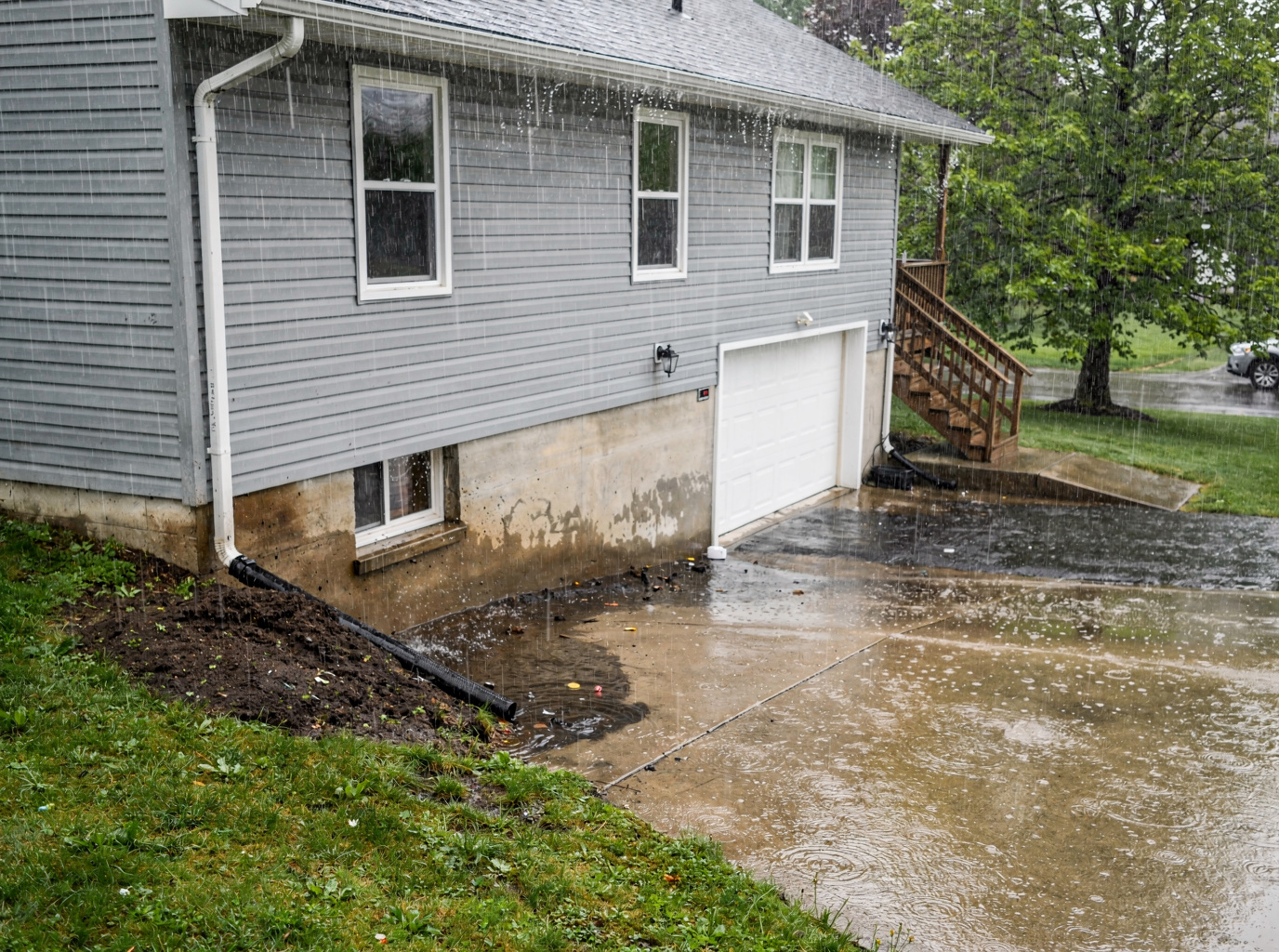
In Central Ohio, basement flooding after heavy rains primarily stems from saturated clay soils that cannot absorb runoff fast enough, combined with aging foundations in Franklin County homes built before modern waterproofing standards. Warm summer storms drop several inches quickly, sending water toward low-lying areas like Franklinton and the Hilltop where older basements lack proper grading. Cold winters exacerbate the issue as freeze-thaw cycles widen cracks, allowing spring and summer rains to seep in more easily than in newer construction found in suburbs near Dublin or New Albany.
Clay Soils and Rapid Saturation in Franklin County
Central Ohio's humid continental climate brings intense summer downpours that hit clay-heavy soils hard, turning yards into sponges that push water against foundation walls. Neighborhoods such as Bexley, Clintonville, and Victorian Village sit on these soils, where water pools instead of draining away. Homeowners often notice seepage within hours of a storm because the ground stays wet longer than in sandier regions near Dayton or Cincinnati. Proper exterior grading and French drains become essential here, as interior fixes alone rarely stop repeated flooding events during peak rainy periods.
Aging Foundations and Cracks in Historic Districts
Many homes in German Village, Olde Towne East, and Grandview Heights date back decades with limestone or brick foundations that develop hairline cracks from decades of settling and Ohio's freeze-thaw winters. These openings let rainwater enter once soil saturation reaches capacity after a heavy storm. In contrast, newer builds in areas like Worthington or Powell feature better footings, yet even those can fail if downspouts empty too close to the house. Inspecting for visible cracks and efflorescence on walls helps identify problems before a full flood occurs.
Gutter, Downspout, and Sump Pump Failures
Clogged gutters and misdirected downspouts send roof runoff straight against basements in dense blocks of Short North and Linden. When sump pumps lose power during storms or lack battery backups, water that enters the home has nowhere to go. Regular cleaning of gutters before spring rains and testing pumps twice a year prevents most overflow issues. In Franklinton and Hilltop, where lots slope toward homes, adding extensions to downspouts that reach at least six feet away often stops recurring problems without major excavation.
How Local Weather Patterns Drive Repeat Flooding
Columbus receives its heaviest rainfall from May through August, with some events dropping over two inches in a single afternoon and overwhelming storm sewers in low spots near the Ohio Statehouse and Nationwide Arena. The same pattern repeats across nearby cities like Cleveland and Cincinnati, but Franklin County's flat terrain and river proximity make recovery slower. Checking local radar for prolonged rain and clearing yard debris beforehand reduces risk in vulnerable spots like Grandview Heights and Bexley. For persistent issues, water damage restoration addresses both immediate water and long-term moisture that leads to mold.